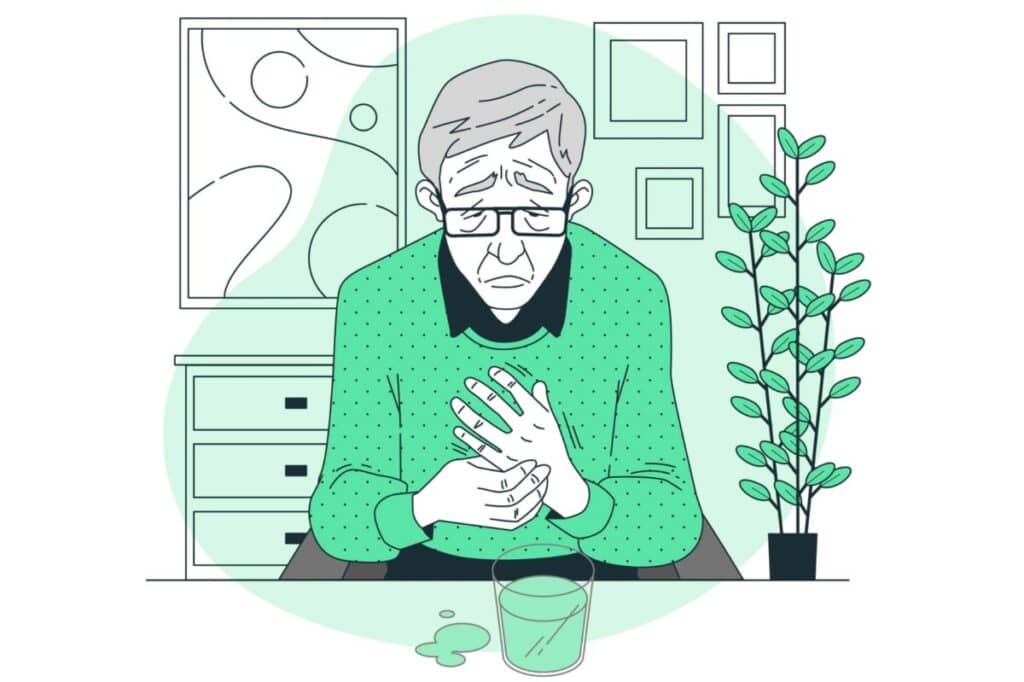
Parkinson’s disease is the most common form of movement disorder and affects more than 1.1 million Americans as of 2015. The symptoms of the disease begin gradually with little or no noticeable changes at first. However, this slowly gets worse over time until the patient is completely incapacitated by the disease. Although research on Parkinson’s disease has yielded many promising results over the years, there are still many uncertainties surrounding it. That is why it is important for everyone who suffers from symptoms to know what to expect from this illness, as well as how to manage its progress effectively. Remember, you can take legal action if you get Parkinson’s disease as a result of paraquat exposure. It would help if you spoke with a lawyer to learn more about Parkinson’s disease and potential lawsuits. Here we discuss some key factors that will affect your lifestyle in the future and how you can prepare for them accordingly.
Sleep Habits Affected by Parkinson’s Disease. Parkinson’s disease causes many sleep problems. Many people with the condition report sleeping poorly and unduly needing to nap during the day. This is because REM sleep is typically decreased in the first stages of the disease, resulting in a lack of restorative sleep. If you have Parkinson’s, you may also experience interruptions in your sleep cycle, causing you to wake up at night. In addition to sleep problems, people with Parkinson’s also commonly report difficulty falling asleep and staying asleep.
Key Limitations when Exercising for PD
Exercising can be an effective way to manage the symptoms of Parkinson’s disease. However, you should expect to experience some limitations when doing so, as your muscles may not be able to handle the same level of activity as before. Exercises that involve heavy lifting, high-physical exertion, or sports in which you require fine motor control are especially likely to pose challenges. To help you manage these limitations while continuing to improve your well-being, you should try to create a routine that includes low-impact activities that still get your blood pumping. Walking, swimming, gardening, and household chores are great examples of low-impact activities that can help you stay healthy. If you are interested in adding more strenuous exercise, consider looking into adaptive fitness programs, which offer a wide range of options that are specially designed for people with mobility issues.
Diet and exercise
People with Parkinson’s disease are often told to avoid dairy products, wheat products, meats, and sugar. There is some level of truth to these dietary restrictions since people with the disease are more likely to have an increased sensitivity to allergens and other substances in dairy products, wheat products, meats, and sugar. However, it is important to note that there is no evidence to suggest that these dietary restrictions can prevent or slow the progress of Parkinson’s disease. Avoiding dairy products and other dietary restrictions can be challenging, especially if you are a vegetarian or a vegan. If you are someone who regularly exercises and is looking to increase your workout intensity, you might want to consider adding in some higher-intensity exercises that might be challenging for you due to your health limitations.
Loss of balance
Loss of balance is a common symptom of Parkinson’s disease. This can result in a loss of coordination and movement, which is common in activities that require good balance, such as sports, dancing, and running. To prevent this from happening, you should avoid activities that require great balance, such as sports and dancing, and try to maintain an even level of activity. At the same time, you should avoid alcohol, caffeine, and nicotine, which can also adversely affect your balance. These substances can cause disorientation and lead to more severe consequences, such as falls.
Conclusion
Keeping in mind all of the factors that will affect your lifestyle, you can better prepare for Parkinson’s disease. This will help you reduce the amount of stress that you experience, as well as learn how to manage any depression or anxiety that you may be experiencing.


Leave a Reply